Hotel Star Rating System – Everything You Need to Know
The world is familiar with the hotel star rating system, but few know its roots and what each star stands for. Understanding this system can greatly enhance your selection process when choosing a hotel for internships or a workplace. It will enlighten you on what environment and level of service to expect. This article will delve into the history and details behind each hotel star rating, highlighting what makes a one-star hotel different from a five-star hotel, and the quality of hospitality to expect in each. The hotel star rating system is a worldwide standard that rates the quality and amenities of hotels. In 1958, Mobil, the international oil and gas company, started a project that paid anonymous reviewers to evaluate restaurants, hotels, and spas. This led to the creation of the five-star rating system and the Mobil Travel Guide (now known as Forbes Travel Guide). The five-star system was designed to take the guesswork out of decision making while traveling, helping travelers select places to eat and stay across the United States with ease. It created a standardized way to surmise the luxury, comfort, and service to expect in hotels. Ratings range from one to five stars, with each star indicating a higher level of quality and service. By having a familiar and easy to understand classification in place, travelers around the world could make informed decisions based on their budget, requirements, and preferred level of comfort and luxury. Hotels in the travel guide are rated based on a set of criteria that cover various aspects of the guest experience. These often include: It was See-Kiat Yeo of Chaine des Rotisseurs who said, “Value is having a wow factor. It should include a total experience, from the attentiveness of the service staff and ambience to food.” At Michelin star-rated restaurants, thoughtful considerations must be taken from the moment a customer steps into an establishment to the moment they depart. One Star: 1-star hotels offer essential amenities with a focus on functionality over luxury. Rooms are typically around 100 square feet or larger and include a 3-foot bed, mirror, table, chair, trash bin, bathroom, and sink. These hotels provide a friendly atmosphere and are suitable for budget-conscious travelers. Two Stars: 2-star hotels offer limited services but provide reasonable comfort and cleanliness. Rooms are larger than 150 square feet and may include security features like a peephole and door chain. Each room is furnished with a 3-foot or larger bed, mirror, table and chairs, and a TV. The atmosphere is simple but pleasant, making it suitable for economy stays. Usually, 2-star hotels have an on-site restaurant or offer breakfast service. Three Stars: 3-star hotels are often located near expressways, airports, or business areas. Standard rooms are less than 200 square feet and come with amenities such as a bed, wardrobe, TV, Wi-Fi, air conditioning, and a minibar. Bathrooms should offer hot and cold water, towels, toilet paper, a hairdryer, shower, and shower cap. These hotels may provide additional services such as room service, restaurants, cafes, and bars. They’re ideal for short-term guests seeking a comfortable and convenient stay. Four Stars: 4-star hotels are upscale accommodations providing premium service. Rooms are generously sized, exceeding 250 square feet, and feature beds that are 3.5 feet or larger. They are equipped with amenities such as a TV, refrigerator, minibar, kettle with tea and coffee, bathrobes, and slippers. Bathrooms are fully equipped with outlets for hairdryers and shavers. These hotels usually have facilities such as restaurants, fitness areas, swimming pools, spas, meeting rooms, and an all-day bar service. Five Stars: 5-star hotels are usually known for having a rich history and a lavish atmosphere with exquisite offerings. Rooms are expansive, over 320 square feet featuring plush beds that are at least 4 feet wide. Bathrooms are large and often include luxurious features like a bathtub and toiletries from top brands like Le Labo. A wide range of facilities are also offered, including event halls, steam rooms, spa, sauna, fitness rooms, swimming pools, laundry services, and more, ensuring a truly extravagant experience for their guests.styles, which is essential for standing out in the competitive culinary world and earning a Michelin star. In the world of hotel marketing, there are some hotels who claim to be rated 6 or 7 stars. However, this is not an official classification under the Mobil Travel Guide. A 5-star rated hotel is the highest classification of the globally-accepted system. The hotel star rating system empowers hoteliers all over the world to set clear goals and strive for specific standards to achieve their desired rating. By aiming for a particular star level, hotels can focus on elevating their quality of service, type of amenities to have, and overall guest experience to meet and exceed these benchmarks. The number of stars a hotel holds directly correlates to the care, attention, and dedication of its hospitality professionals, guiding them to consistently deliver above-and-beyond service and maintain high standards. Having this system in place not only drives continuous improvement within the Hospitality industry but also ensures that guests receive the level of service they can expect based on the hotel's rating. Swiss Education Group features some of the top hospitality and hotel management schools in the world, including Swiss Hotel Management School (ranked #2 in the world), César Ritz Colleges, and Hotel Institute Montreux. Our institutions consistently rank among the best globally for Hospitality and Leisure Management by QS Rankings. They are passionate about training individuals to become professionals who embody traditional Swiss hospitality while also embracing modern techniques and approaches so they are up-to-date with current trends and adaptable to an ever-changing industry. Contact us today to discover which of our institutions is the best for you. Since 2006, our counselors have helped over 1,700 Thai students choose the right school and focus to become a skilled professional fit for a 5-star establishment. Q: Which schools within the Swiss Education Group offer courses in Hotel Management? A: Swiss Hotel Management School, César Ritz Colleges, and Hotel Institute Montreux offer courses in Hotel Management. Q: How long does it take to complete the Hotel Management course from each school? A: It takes three years to complete Swiss Hotel Management School’s Bachelor of Arts in International Hospitality Management. It includes 2 internships. It takes four years to complete Cesar Ritz College’s Bachelor of Science in Hotel and Tourism Management. It includes 2 internships. It takes four years to complete Hotel Institute Montreux’s Bachelor of Business Administration in Hospitality Management. It includes 2 internships.Hotel Star Rating System - Everything You Need to Know
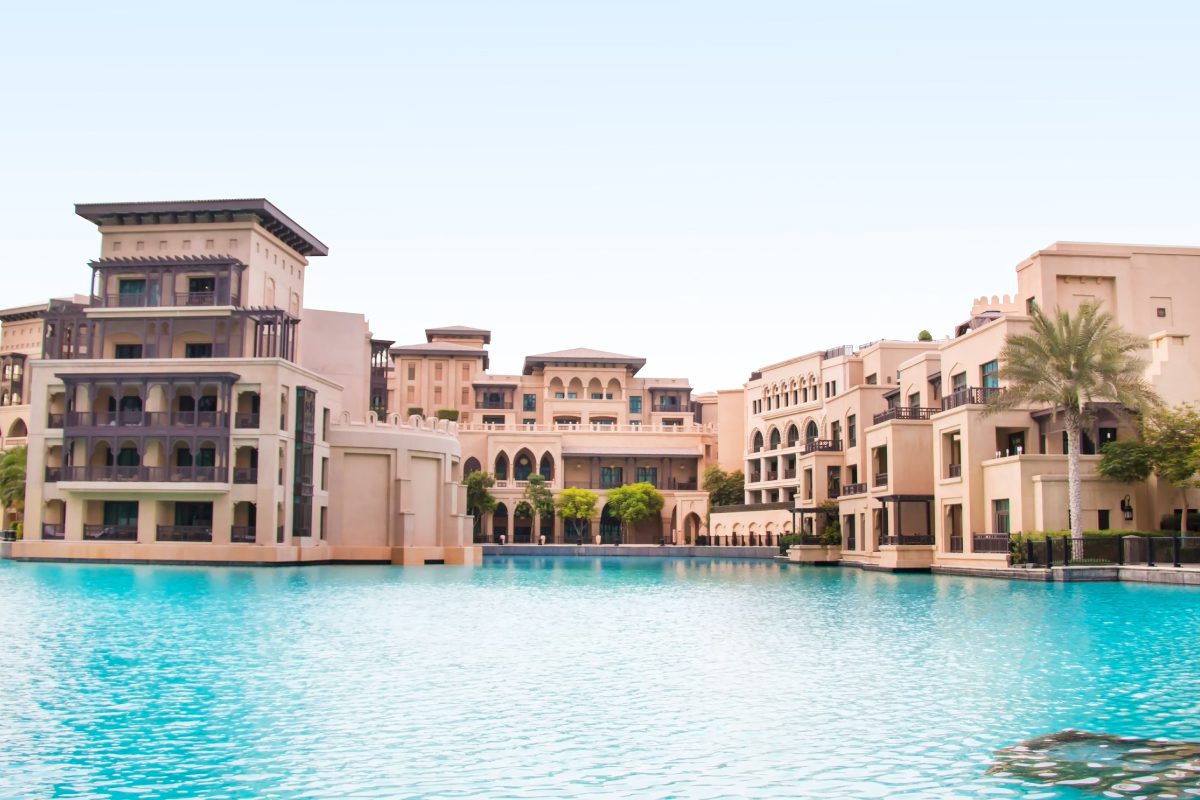
What is the Hotel Star Rating System?
What Is The Criteria for the Hotel Star Rating System

Understanding The Classification of Hotel Star Ratings
The Benefits of The Hotel Star Rating System
Become a Professional Fit for A 5-Star Hotel
Frequently Asked Questions
Our News & Blogs


What is A Hotel Operations Manager? The Career Path To Being An Operations Leader in The Hospitality Industry