Behind the Apron: The Role and Responsibilities of Head Chefs
In the fast-paced world of professional kitchens, head chefs are the necessary leaders who ensure every dish meets the ideal standard. Head chefs are responsible for the overall kitchen operations, guiding the team, and ensuring every patron of the restaurant has an exceptional dining experience. But what exactly does the role entail? How does it differ from being an Executive Chef? Read on further to explore what this role means and the responsibilities that come with it. The head chef, also known as the "chef de cuisine," is the person responsible for managing the day-to-day operations in the kitchen. They oversee the entire kitchen staff, manage food preparation, control inventory, and ensure that all meals are prepared to the restaurant's standards. The Head Chef is a hands-on leader who works closely with their team, delegating tasks, creating menus, and maintaining a smooth workflow. They exist at the very top of the kitchen brigade if it doesn’t have an Executive Chef. While both head chefs and executive chefs play leadership roles in the kitchen, there are key differences between the two. As mentioned earlier, a head chef is directly involved in the daily operations of the kitchen. They are more hands-on, working alongside the kitchen team to maintain operational efficiency. On the other hand, an executive chef typically operates at a higher level, focusing more on the overall management of multiple kitchens and the business side of the restaurant. While they may still oversee operations, executive chefs are less involved in day-to-day kitchen tasks and are more focused on long-term strategy, financial management, and brand development. In smaller establishments, the head chef may take on some executive chef responsibilities, while conversely in larger restaurants or chains, the roles are separate. The daily tasks of head chefs go far beyond cooking. From developing menus to managing and training staff, here are some of the core responsibilities that are undertaken in that role: Becoming a head chef requires dedication, experience, and a passion for the culinary arts. If you’re serious about achieving this role in your life, the first step would be getting a culinary education. While formal education isn’t always a requirement, attending a culinary school can give you a competitive edge as it ensures you have a strong foundation for your culinary capabilities. The Culinary Arts Academy Switzerland is one of the most reputable culinary schools in the world. It currently ranks as the #1 culinary school in Switzerland and #7 culinary school globally according to QS Rankings. Their Bachelor of Arts in Culinary Arts or Bachelor of Arts in Pastry and Chocolate Arts are excellent programs to undertake as a first step towards your future as a head chef. Both programs take three years and include two internships. With it, you’ll get 1,100 practical hours in state-of-the-art kitchens. Upon graduating, you will also be awarded with two degrees – one from Culinary Arts Academy Switzerland & University of Derby in UK. For students with existing bachelor degrees who are interested in pursuing a Master's degree in Culinary Arts, Culinary Arts Academy Switzerland also offers a Master of Arts in Culinary Business Management program to help you hone your skills. For those who prefer shorter courses, certificate programs such as the Swiss Diploma in Culinary Arts or Pastry and Chocolate Arts, which take only 1 year to complete, including one internship, are also available. With the right combination of skills, experience, and dedication, becoming a head chef is entirely possible. If you’re interested in learning more about honing your culinary arts skills, reach out to our Swiss Education Group counselors by calling 02-652-1481 or add us on Line @swisseducation to learn more. Q: Where is the Culinary Arts Academy Switzerland located? A: The Culinary Arts Academy Switzerland has two campuses. They are located in Le Bouveret & Brig, Switzerland. Your first two years will take place at the Le Bouveret campus. Your third and final year will take place at the Brig campus. Q: Does CAAS offer shorter courses? I don’t want to study for three years. A: Yes. If you want a shorter course, you can opt for their Swiss Diploma in Culinary Arts or Pastry and Chocolate Arts, which only takes one year to complete. It also includes 1 internship.
Behind the Apron: The Role and Responsibilities of Head Chefs
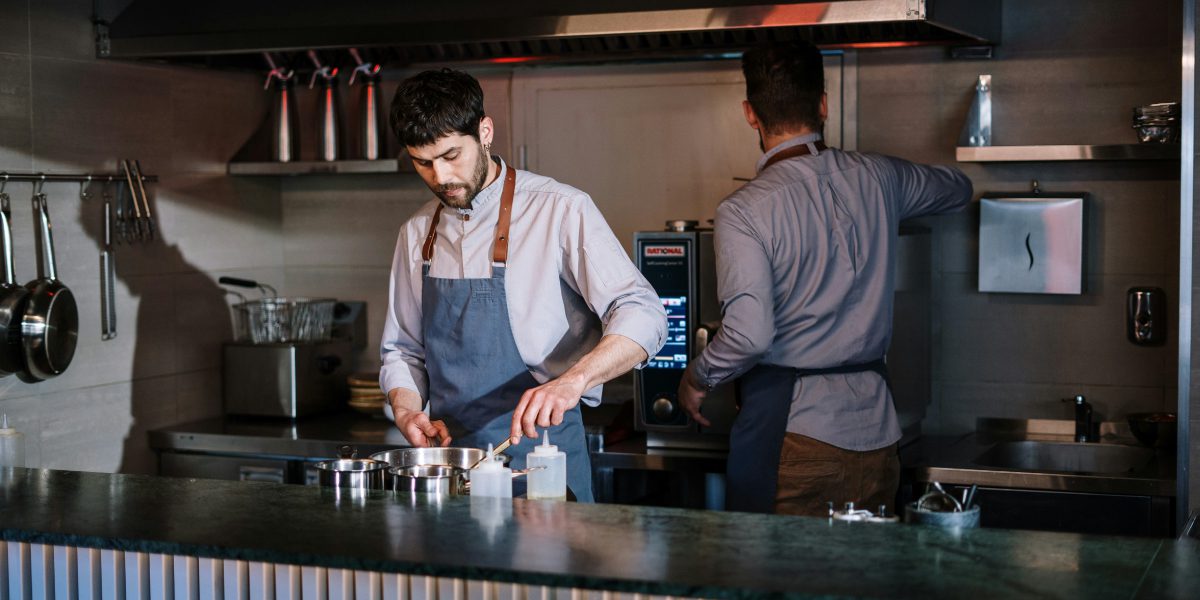
What Is a Head Chef?
Head Chef vs Executive Chef: How is A Head Chef Different from An Executive Chef?
The Responsibilities of Head Chefs

Study To Become a Head Chef
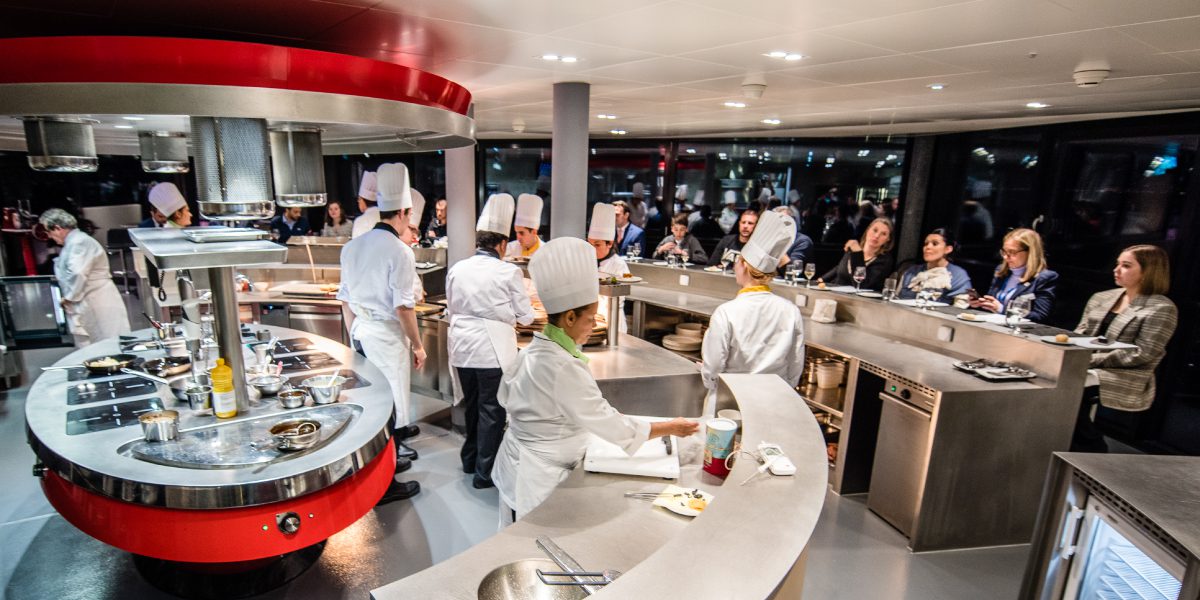
Frequently Asked Questions
Our News & Blogs


What is A Hotel Operations Manager? The Career Path To Being An Operations Leader in The Hospitality Industry