What are the Chef Levels and How to Climb the Culinary Ranks
In the high-pressure world of professional kitchens, chefs operate within a hierarchical structure known as the kitchen brigade system. Understanding the different chef levels and the path to climb these culinary ranks is crucial for aspiring chefs aiming to make their mark in the culinary industry. Your journey in the kitchen typically begins as a Commis Chef, also known as an Apprentice Chef. This entry-level position requires little to no prior experience and serves as a training ground for aspiring chefs. Commis Chefs assist more experienced chefs in various kitchen tasks, from food preparation to cleaning and organizing. It usually takes 1-2 years of experience to progress to the next level. The hierarchy of Commis Chef positions can vary depending on the organization and kitchen setup, but typically, there are three main levels: Aspiring chefs can then advance to the role of Chef de Partie, also known as a Station Chef. Chef de Parties are responsible for managing a specific station or section of the kitchen, such as the grill, sauté, or pastry station. They are tasked with preparing and cooking dishes according to the chef's specifications, ensuring consistency and quality. This role typically requires 2-3 years of experience as a Commis Chef. There are several roles you can have when you operate within this rank of the chef levels. Some of these positions include: Other roles you can have with you operate within this level are Poissonnier (Fish Chef), Entremetier (Vegetable Chef), Rotisseur (Roast Chef), and Tournant (Roundsman). Each Chef de Partie position requires specialized skills and knowledge related to their assigned section, contributing to the overall success of the kitchen brigade. The next step up the culinary ladder is the Sous Chef, also known as the Deputy Chef. Sous Chefs work closely with the head chef and are responsible for overseeing the day-to-day operations of the kitchen. Their duties include menu development, inventory management, staff supervision, and ensuring food safety standards are met. To reach this position, chefs typically need 5-7 years of experience, including time spent as a Chef de Partie. At the very top of the chef levels is the Chef de Cuisine, also known as the Executive Chef. This esteemed position involves making high-level culinary decisions, creating menus, managing kitchen staff, and ensuring the overall success of the culinary operation. Executive Chefs are responsible for maintaining the kitchen's reputation for excellence and innovation. To attain this prestigious role, chefs usually need 10 or more years of experience, including time spent as a Sous Chef. Climbing the chef levels requires dedication, skill, and years of hands-on experience. By starting as a Commis Chef and gradually working their way up through the ranks, aspiring chefs can develop the expertise and leadership qualities needed to thrive in the competitive world of professional kitchens. Studying at Culinary Arts Academy Switzerland provides aspiring chefs with an unparalleled opportunity to excel in their culinary careers and climb the ranks of the kitchen brigade. As the #1 culinary school in Switzerland and ranked among the world's finest, CAAS offers a comprehensive curriculum that blends top-rated culinary arts education with practical business theory. By enrolling in their programs, aspiring chefs gain the skills, knowledge, and hands-on experience necessary to navigate the culinary hierarchy with confidence and emerge as leaders in the world of culinary. Q: Which school under the Swiss Education Group offers Culinary Arts? A: Culinary Arts Academy Switzerland offers courses in the Culinary Arts. They are the #2 ranked culinary school in the world. Q: How long does it take to complete the Culinary Arts course from CAAS? A: It takes three years to complete the Bachelor of Culinary Arts degree from Culinary Arts Academy Switzerland. It includes 2 internships. You can choose to specialize in Culinary Arts or Pastry & Chocolate Arts. If you want a shorter course, you can opt for their Swiss Diploma in Culinary Arts which only takes one year to complete. It also includes 1 internship.What are the Chef Levels and How to Climb the Culinary Ranks
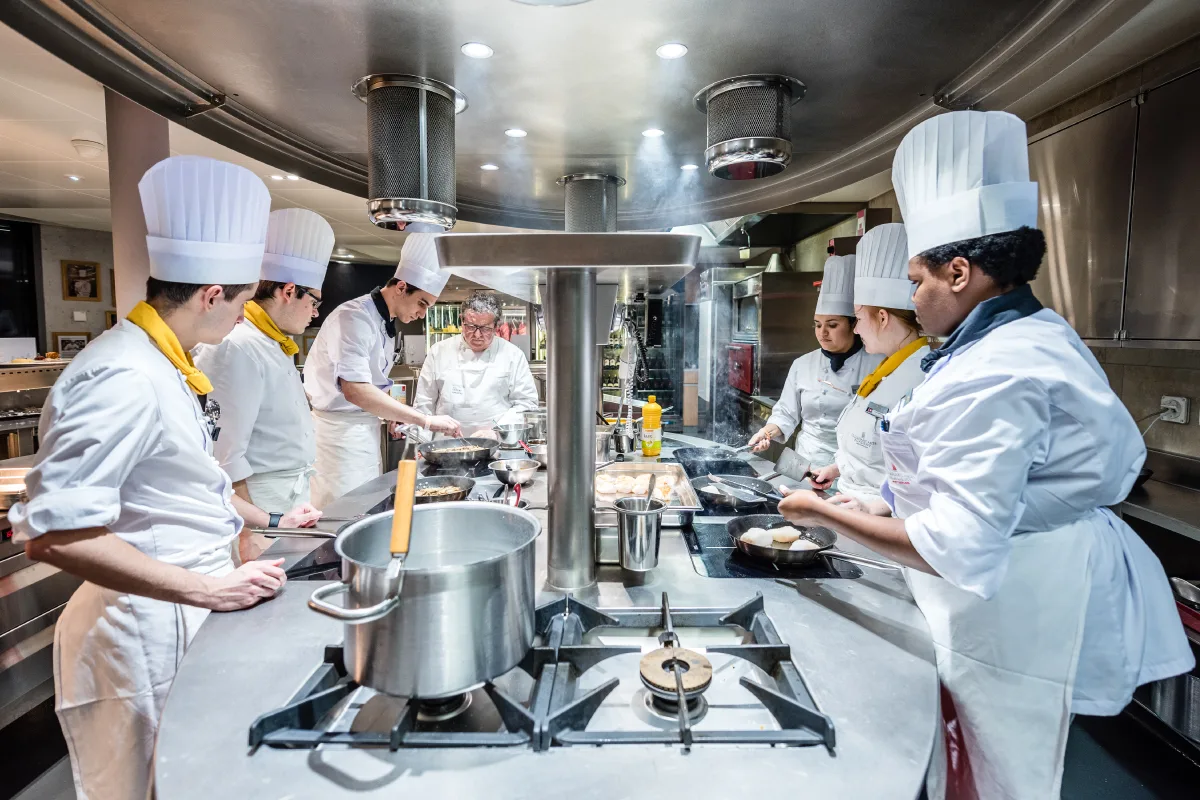
Commis Chef (Apprentice Chef)
Chef de Partie (Station Chef)
Sous Chef (Deputy Chef)
Chef de Cuisine (Executive Chef)
Rise Through the Culinary Ranks
Frequently Asked Questions
Our News & Blogs


What is A Hotel Operations Manager? The Career Path To Being An Operations Leader in The Hospitality Industry