How To Become an Executive Chef – What Field of Study to Pursue
Becoming an Executive Chef is the pinnacle of achievement in the culinary world, requiring years of dedication, skill development, and practical experience in kitchens. In this article, we explore the path to becoming an Executive Chef, the roles and responsibilities associated with the position, and the best educational opportunities available to aspiring culinary professionals. An Executive Chef is the chief creative leader and top position in the kitchen, responsible for overseeing all aspects of a kitchen's operations, from menu development and food preparation to staff management and budgeting. A professional in this position must possess exceptional culinary skills, leadership abilities, and business acumen to succeed in this demanding role. They are tasked with ensuring the quality and consistency of food, managing kitchen staff, controlling costs, and maintaining health and safety standards. Becoming an Executive Chef is a journey that typically begins with a formal culinary education, followed by years progressing through various roles within a kitchen hierarchy. The journey to becoming the head of the kitchen can take years of dedication and hard work, as chefs must demonstrate proficiency in all aspects of kitchen operations and leadership. During the process, chefs may even pursue additional training, certifications, and professional development opportunities to enhance their skills and credentials. If you're certain that a career in culinary arts is your calling, consider starting with a Bachelor's Degree in culinary programs. You can opt for specialized pathways such as Culinary Arts, Pastry & Chocolate Arts, or Vegetarian Culinary Arts to hone your skills in a specific area. From there, pursue a Master's Degree for further specialization and refinement of your craft. Alternatively, if you lack a background in Culinary Arts or hold a Bachelor's Degree in a different field but have a passion for cooking, short courses with professional curriculum and internships offer a stepping stone to explore this career path before committing to a career change. With a thorough Culinary Arts education and enough hours in the kitchen, it is possible to become an Executive Chef in five to 10 years due to the higher level of skills and knowledge a person has obtained from their education.. This role typically requires 2-3 years of experience as a Commis Chef. By pursuing a formal culinary education at the world’s top learning institution for culinary arts, you will set yourself apart from an industry saturated with steep competition. The Culinary Arts Academy Switzerland, ranked the #1 culinary school in Switzerland and positioned #8 in the world has programs ranging from six months to three years. Depending on your needs and desired outcome, this formidable culinary institution can help you master the fundamentals and reach your full potential. Studying here provides aspiring chefs with the opportunity to learn from industry experts and gain the qualifications needed to succeed in the competitive culinary landscape. Courses are run in partnership with academic and industry partners, ensuring that students receive a comprehensive education and degree that is both highly regarded and professionally recognized in the culinary industry. Furthermore, every program they have comes with a paid internship, allowing you the opportunity to gain hands-on experience and hours in the kitchen. With the right training and qualifications, aspiring chefs can turn their culinary dreams into reality and become the Executive Chefs of tomorrow. Reach the highest levels of success in the culinary world when you study culinary arts in Switzerland. If you’re ready to take the next step for your future, consult our expert counselors from Swiss Education Group Thailand. How To Become an Executive Chef - What Field of Study to Pursue
What is an Executive Chef? How Important is Their Role?
The Path to Become an Executive Chef
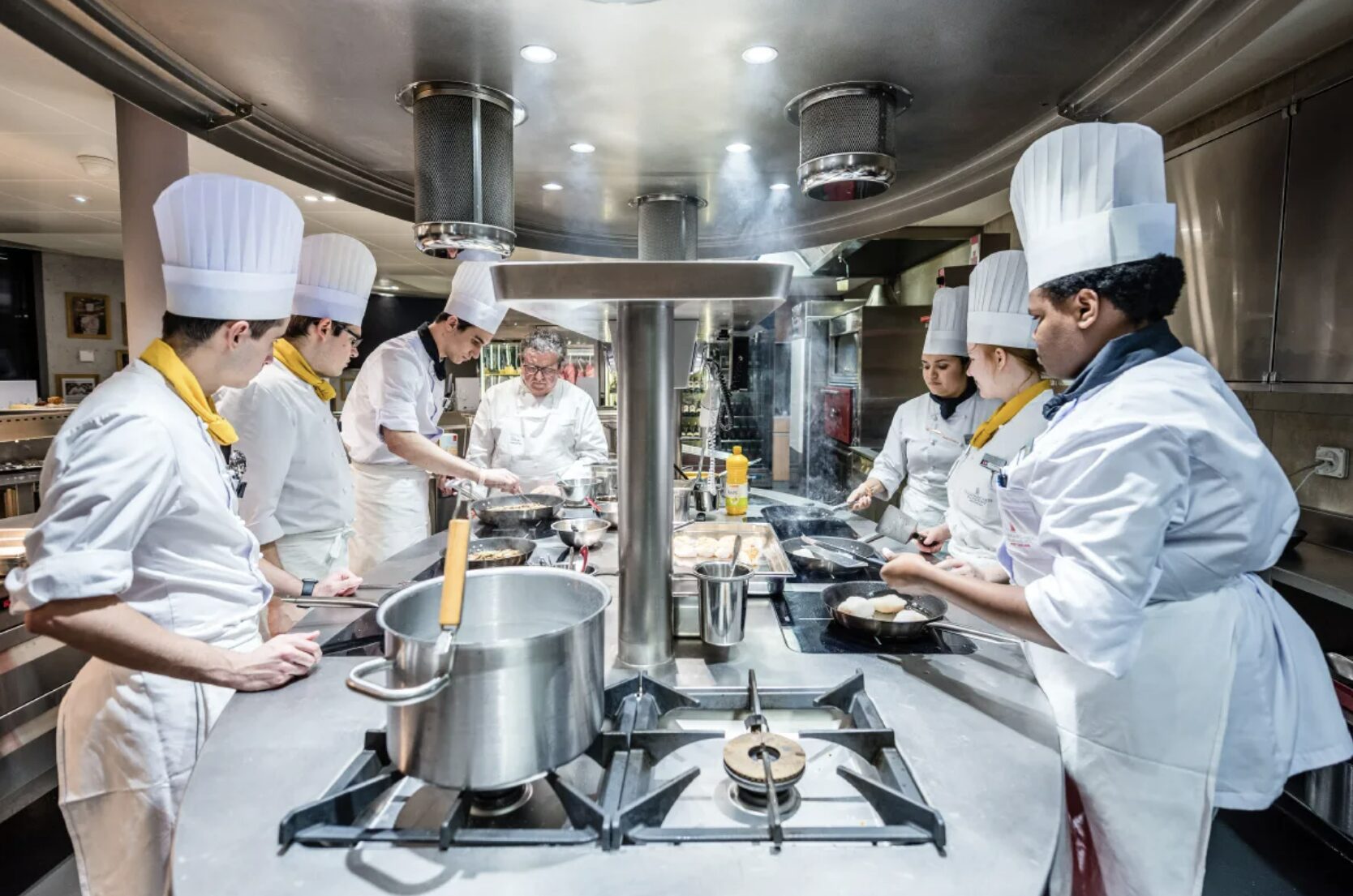
The Basic Positions in A Kitchen Brigade
Crafting the Path: Your Study Plan for Culinary Success

Set Yourself Up for Success When You Study Culinary Arts in Switzerland
Our News & Blogs


What is A Hotel Operations Manager? The Career Path To Being An Operations Leader in The Hospitality Industry